


Notice: ATF has issued four explosives rules, two final rules and two proposed rules, modernizing storage requirements, reporting, and fire department notifications. Read the press release.
| Action Type | Rule Title & RIN | Effective Date / Comment Deadline |
| Final Rule | Implementing the Safe Explosives Act (RINs 1140-AA00 / 1140-AA20) | Effective October 26, 2026 |
| Final Rule | Annual Notices on Explosive Materials Storage Facilities to Local Fire Authority (RIN 1140-AA51) | Effective October 26, 2026 |
| NPRM | Explosives Magazine Safety Requirements (RIN 1140-AA67) | Comments Due November 24, 2026 |
| NPRM | Revising Requirements and Exceptions for Storing Explosives (RIN 1140-AA86) | Comments Due November 24, 2026 |

Explosives are any chemical compound, mixture, or device, the primary or common purpose of which is to function by explosion. The term includes, but is not limited to, black powder, pellet powder, initiating explosives, ammonium nitrate fuel oil (ANFO) mixtures, safety fuses, squibs, mixed binary explosives, and igniters. Explosives are also present in items such as automotive air bag inflators, special industrial tools, fire extinguishers, some pest control devices, some model rocket engines, fireworks, and special effects in the entertainment industry.
ATF’s Role in the Explosives Industry
ATF is dedicated to preventing terrorism, reducing violent crime involving the criminal misuse of explosives, and protecting the public by enforcing laws and regulations (Title 27 CFR Chapter II, Part 555) governing the explosives industries. ATF investigates and prevents crimes that involve the unlawful manufacture, sale, possession and use of explosives.
Services and Programs
The Federal Explosives Licensing Center (FELC) issues licenses and permits to persons who wish to receive or transport explosives in interstate, intrastate, or foreign commerce or to engage in the business of importing, manufacturing and/or distributing explosives materials. Learn more about the FELC.
Persons prohibited from receiving, possessing shipping or transporting explosives may apply for relief and submit their application to our Explosives Relief of Disability (EROD) program. Learn more about the EROD program.
The National Center for Explosives Training and Research (NCETR) provides training in advanced explosives for ATF personnel and other agency partners to protect our communities against the diversion of explosives to illegal channels and unsafe storage of explosives. Additionally, NCETR develops explosives technical information and intelligence and serves as the fire investigation and training experts for the United States Government. Learn more about NCETR.
The U.S. Bomb Data Center (USBDC) is a national repository for arson and explosive related incident data, including the reporting of explosives thefts. Learn more about the USBDC.
ATF industry operations investigators inspect the magazines and records of every explosives licensee and permittee on a regular basis to ensure compliance with federal explosives regulations. Learn more about ATF's industry operations investigators.
If you need assistance regarding explosives enforcement-related issues, please contact your local ATF office.
Outreach Activities
While primarily focused on law enforcement and regulatory duties, ATF also strives to work and consult with the explosives industry and its associations. ATF communicates with the industry to identify areas of weakness and vulnerability in explosives security and to ensure public safety. ATF works with federal explosives licensees, permittees, other regulatory agencies, and the public via conferences, seminars, meetings, phone, email and written correspondence.
-
Image

-
Image

-
Image

-
Image
What's New
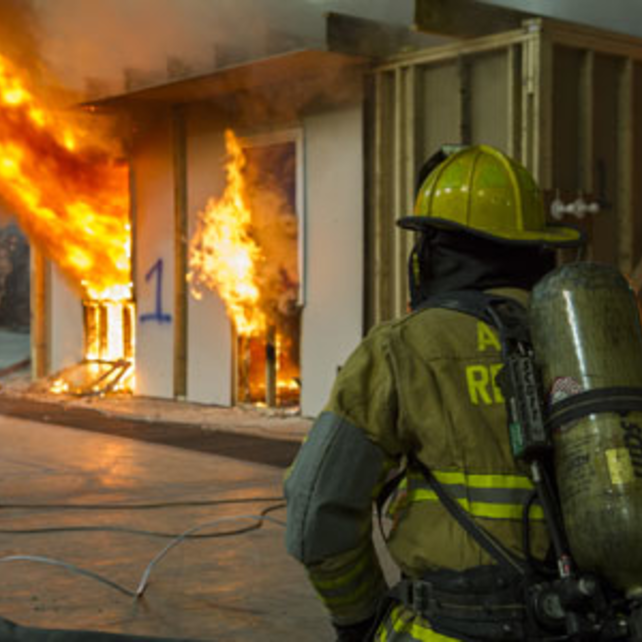
ATF is amending Department of Justice regulations on reporting explosive materials storage. Currently, any person who stores explosive materials subject to ATF's explosives regulations must notify the authority having jurisdiction for fire safety in that locality when they begin storing explosives at that site. This rule adds a requirement to also submit written notices every 12 months thereafter and when the person ceases storing explosives at that location and to retain copies of the notices for five years. These changes are intended to increase public safety, particularly for first responders.
ATF is finalizing two Department of Justice interim final rules (“IFRs”) implementing the Safe Explosives Act. This rule formally ends those rules' interim status, responds to public comments from 2003 on the IFRs, rescinds ATF Ruling 2003-5 issued in response to IFR comments, and makes certain revisions to IFR provisions in response to the comments. They clarify when federal licensees/permittees must report changes in responsible persons and authorized employees; eliminate verifying identity of persons accepting delivery on behalf of distributees; and amend regulatory exemption language governing aspects of transporting explosive materials.
Comment Period: September 25 to November 24, 2026
Comment Period: September 24 to November 24, 2026
The Bureau of Alcohol, Tobacco, Firearms, and Explosives today announced four explosives regulatory actions, two final rules and two proposed rules, that modernize storage and reporting requirements, close out decades-old interim regulations, and provide local fire departments with better information about explosive material stored in their communities.
This notice confirms that the FFLAlert notification announced on September 8, 2026, is an official and authorized ATF communication. ATF has upgraded its alert system to the BEACON/Everbridge platform to strengthen and streamline emergency and other critical communications with Federal Firearms and Explosives Licensees.

ATF.gov
An official website of the U.S. Department of Justice