



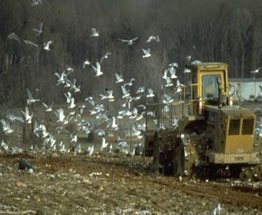
Explosive pest control devices (EPCDs) generally fall under ATF regulation because they contain regulated explosive materials, such as flash powder, black powder, and/or other pyrotechnic compositions. Some of these devices go by the generic terms “bird bombs”, “shell crackers”, “whistlers” or similar terms. They are designed to be fired from a firearm, other launching devices or thrown by hand. The devices are used to frighten birds and other pests away from airports, landfills and agricultural or fishing areas, thus helping to maintain adequate levels of agricultural production and aviation safety.
A federal explosives license is required to import, manufacture or distribute EPCDs and a federal explosives permit is required to receive or transport the devices. States and their political subdivisions (e.g., municipal airports, landfills and fire departments) may receive explosive materials without a license or permit. However, they must still comply with the explosives storage regulations in 27 CFR 555, Subpart K Storage.
Storage
Some EPCDs, such as whistlers and screamers, are considered low explosives as they generally contain black powder or pyrotechnic compositions. Low explosive EPCDs may be stored in a type 1, type 2, or type 4 magazine, or a type 3 magazine for temporary attended storage. However, EPCDs containing flash powder (e.g., bird / seal bombs) are high explosives and must be stored in a type 1 or type 2 magazine, or a type 3 for temporary attended storage.
Exempt Articles Pyrotechnic
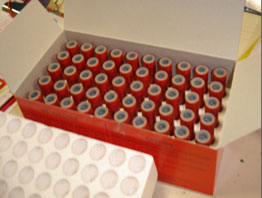
ATF has determined that some EPCDs meet the criteria for the articles pyrotechnic exemption found at 27 CFR § 555.141(a)(7). These items have been classified by the U.S. Department of Transportation as UN0431 or UN0432 explosives and are generally known as “articles pyrotechnic.” In addition to the UN number requirements, ATF-exempt articles pyrotechnic must meet all other criteria in the specified definition found at 27 CFR § 555.11. In evaluating whether a particular device is exempt under 27 CFR § 555.141(a)(7), ATF considers, in part, the intended use, net explosives weight, chemical composition, and construction.
The articles pyrotechnic exemption, as applicable to specific EPCDs, is valid only for finished products. Any person who intends to engage in the business of manufacturing these devices for sale, distribution, or for business use, must possess a federal explosives license. Consumers are encouraged to consult with EPCD suppliers about the availability of any pest control device products that ATF has determined to be exempt from the federal explosives regulations as articles pyrotechnic.
For additional information, see ATF’s Open Letter regarding Explosives Pest Control Devices.
