



ATF is responsible for regulating explosives, including display fireworks, to prevent the mishandling and illegal use of explosive materials. ATF’s regulatory enforcement and investigative programs work closely with industry members to ensure the proper storage and safeguarding of these items.
Display Fireworks
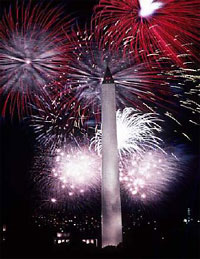
Display fireworks are the large fireworks used in shows, generally under the supervision of a trained pyrotechnician. Display fireworks include aerial shells, cakes, candles, and other display pieces that meet the definition of ‘display fireworks’ in 27 CFR § 555.11. They frequently are, or contain salutes, which create bright flashes of light and/or loud reports. Display fireworks are classified by the U.S. Department of Transportation (DOT) as fireworks UN0333, UN0334 or UN0335.
The regulations at 27 CFR, Part 555, require that any person engaging in the business of importing, manufacturing, dealing in, receiving or transporting display fireworks must first obtain a federal explosives license or permit from ATF for the specific activity.
Consumer Fireworks
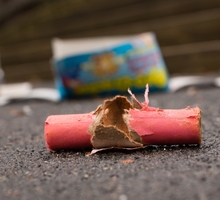
Consumer fireworks are the small fireworks usually sold at stands around the Fourth of July holiday. They include ground devices containing less than 50 milligrams of flash powder, and aerial devices containing less than 130 milligrams of flash powder. Because consumer fireworks contain pyrotechnic compositions classified by ATF as explosive materials, the manufacturing of consumer fireworks for commercial purposes requires an ATF manufacturer’s license. Consumer fireworks are classified by DOT as fireworks UN0336 or UN0337.
ATF does not regulate the importation, distribution, or storage of completed consumer fireworks, but other federal, state, and local agencies do regulate these items to a varying degree. Before buying any consumer fireworks, check with your local and state governments to ensure they are not prohibited in your area.
Articles Pyrotechnic
Articles pyrotechnic are similar to consumer fireworks in chemical composition and construction but are not intended for consumer use. The importation, distribution and storage of articles pyrotechnic are generally exempt from ATF’s explosives regulations if they meet all of the criteria indicated in 27 CFR 555.11 and 555.141(a)(7). Because they contain pyrotechnic compositions classified by ATF as explosive materials, the manufacturing of articles pyrotechnic for commercial purposes requires an ATF manufacturer’s license.
Firework Related Rulings
ATF Ruling 2007-2, Temporary Storage in Vehicles
Approves temporary storage of display fireworks in locked, attended vehicles at magazine and fireworks display site, under certain conditions.
ATF Ruling 2012-2, Storage in Uncovered Bins
Approves storage of display fireworks in fixed, unmarked, uncovered bins in magazines under specific conditions.
Resources
- ATF Fireworks Reminders
- Industry Advisory for Retailers of Fireworks
- Fireworks Questions and Answers
- Open Letters
Helpful Links
Increasing the safety of those who use and enjoy fireworks is an important goal, and the Occupational Safety & Health Administration (OSHA) and the American Pyrotechnics Association (APA) formed an Alliance in 2004 to provide education and training on fireworks issues. This Alliance provides guidance and shares APA’s best practices for the manufacturing, transportation, storage, sale, and use of commercial display fireworks, and the retail sale of consumer fireworks. ATF and the CPSC work closely with the Pyrotechnics Guild International (PGI), whose mission is to further the safe usage and enjoyment of professional and consumer grade fireworks while advancing the art and craft of pyrotechny and preserving its historical aspects. For additional information on fireworks safety, click on the links below.
Close collaboration between the fireworks industry and regulatory agencies helps to safeguard not only fireworks users, but also the safety and business interests of legal manufacturers, importers, and dealers as well. By identifying and eliminating illegal and/or unsafe practices or products, the legitimate use of pyrotechnics can continue to flourish as both an industry and as a valued tradition enjoyed by many Americans.
